
Viation
I sense a space with my entire body.
We all do. The body answers before the mind has a chance. Skin reads the temperature. The eye reads the light. The ear reads the room. The soul reads everything at once. The question every space gets asked, the moment someone walks in, is whether it knows they are there.
Practice
Audio as architecture, not infrastructure.
Designers spend months selecting the right pendant. They spend weeks on a single material palette. They draw and redraw until light, form and finish carry the same intention.
Audio gets treated like HVAC. Bolted on at the end. Hidden behind grilles. Specified by someone who shows up after the finishes are locked, drilling holes and making the best of decisions already made.
This is backwards.
Sound shapes experience as fundamentally as light does. It is the most invisible element in a room, and the most powerful. When it is wrong, the space fails. People leave. They cannot say why.
The work is to put audio back where it belongs. In the design conversation, from the beginning. Drawn to the room. Specified to the material. Tuned to the program.
Designed, not installed.
The work
Invisible. Integrated. Sculptural.
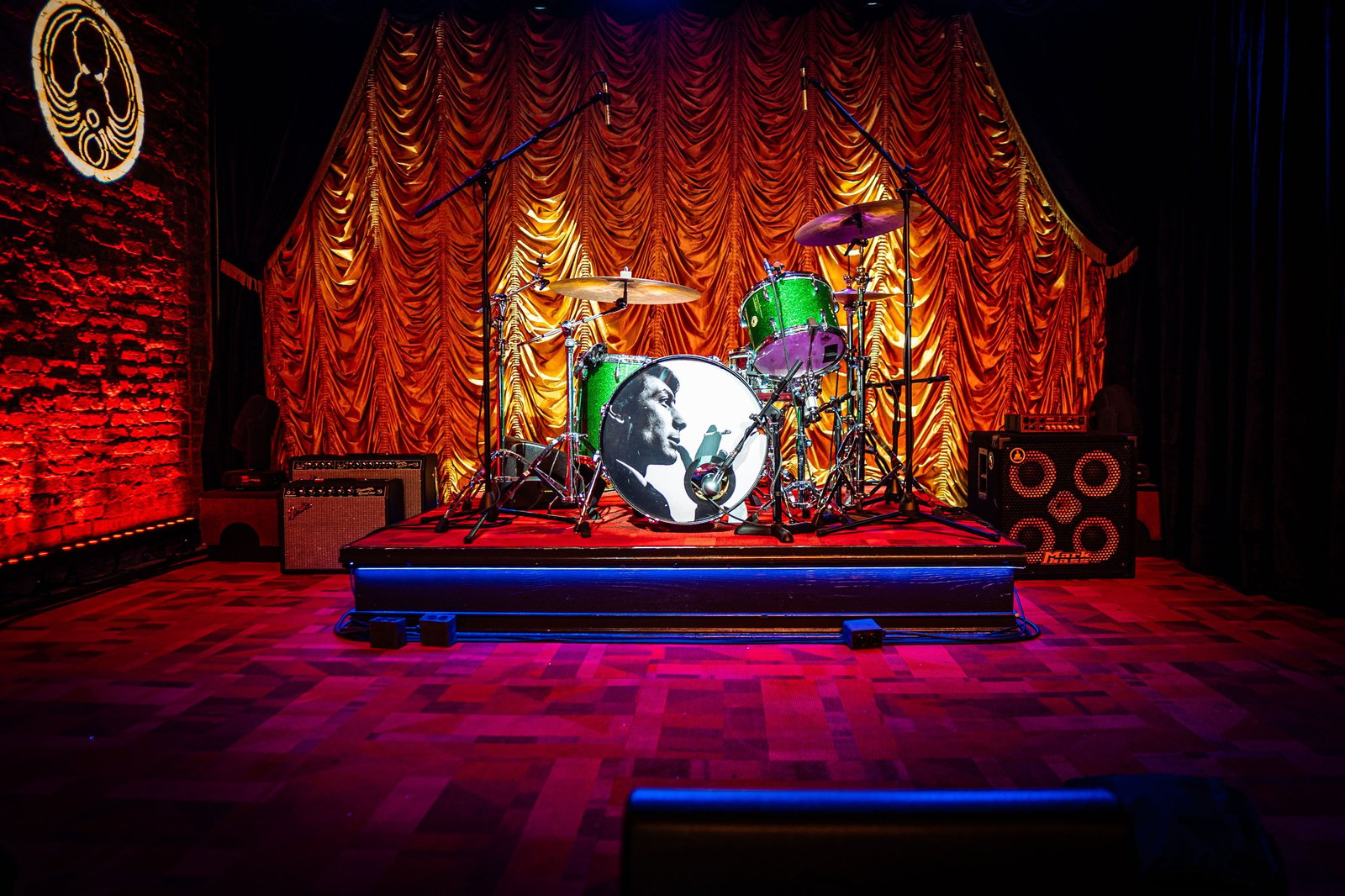
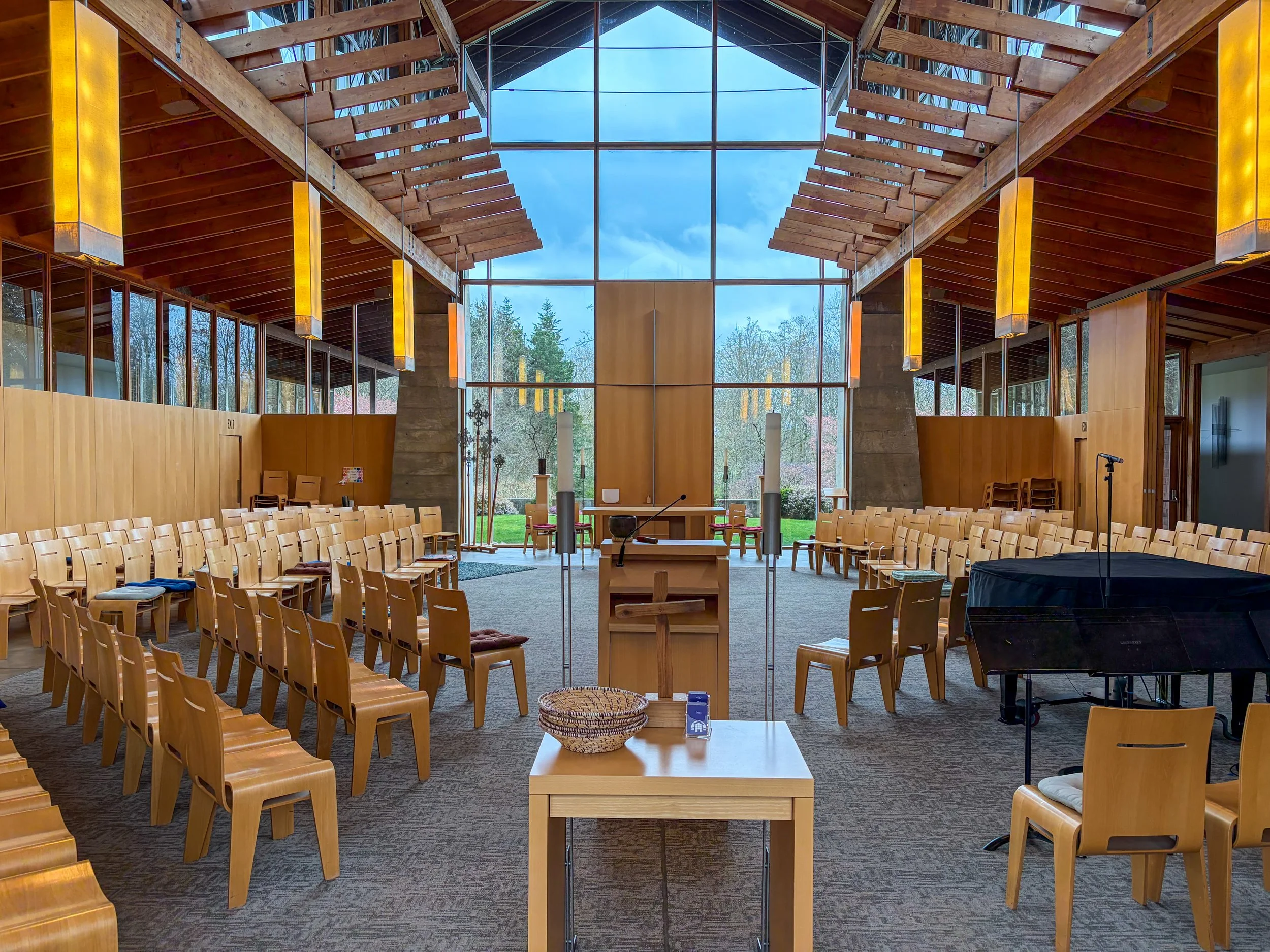
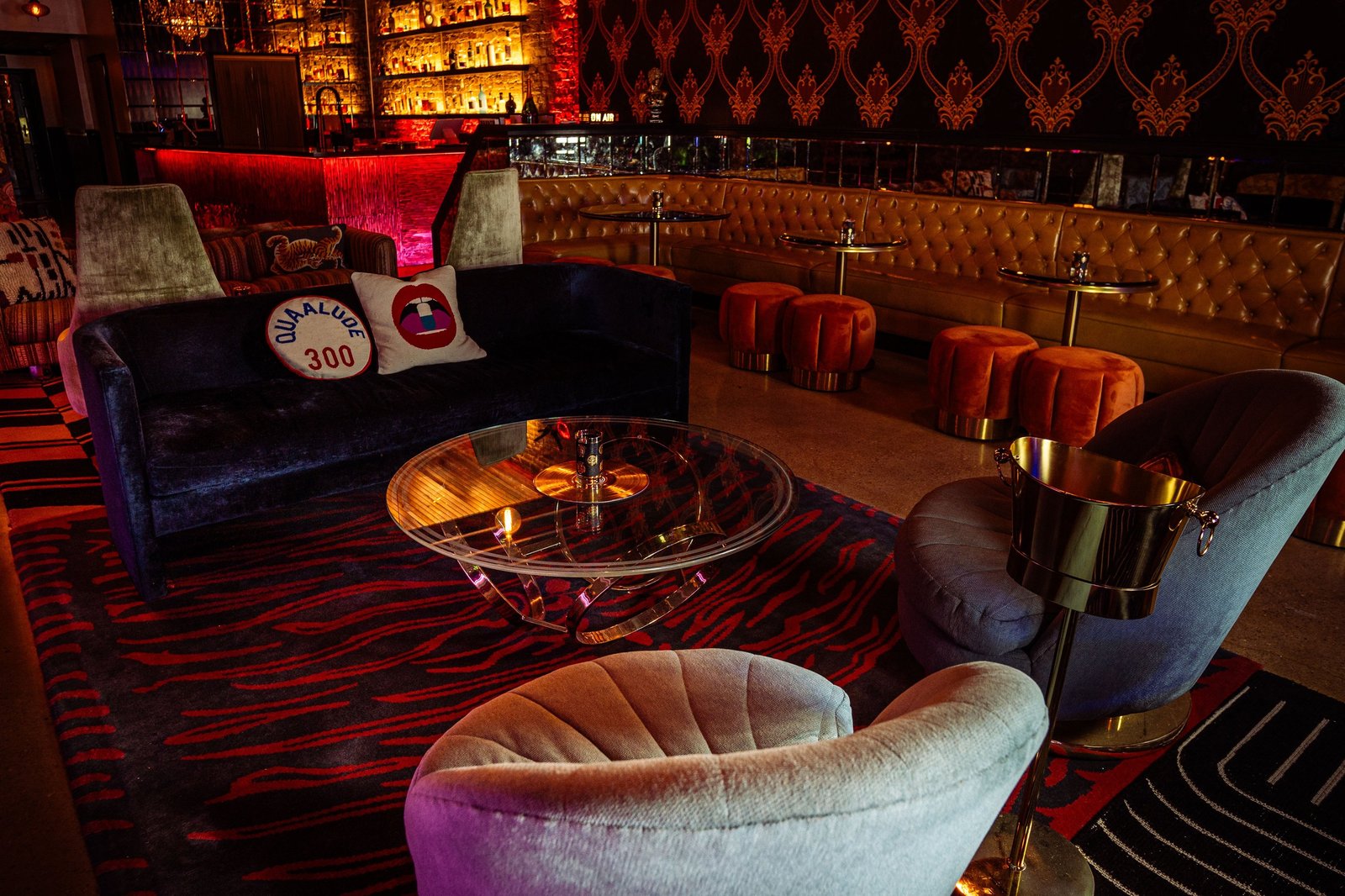
For liturgical sanctuaries, luxury hotels, music venues, speakeasies and the designers who draw them.
-
Invisible
The wall is the speaker. Specialized systems turn entire surfaces into acoustic sources. The architectural gesture becomes the sound source.
-
Integrated
Audio that speaks the material language. Cabinets finished to match the millwork, the lighting and the joinery. Sound as native to the room as the pendant.
-
Sculptural
Bold geometric forms with presence and weight. Sonic objects that anchor a zone, designed to be seen as much as heard.
The question is not how to hide the system. The question is what role sound plays in the room’s story.
Selected work
Recent installations.

A note from the founder
Why I started this.
I have walked into spaces where the sound alone made me sad. Not because it was loud. Not because it was wrong. Because it was indifferent. Nobody had listened. Nobody had cared enough to ask what this space should sound like, what it should feel like, what it owed the people inside it.
Then I have walked into rooms where every element answered the same question, and the answer was yes.
The first kind processes people. The second receives them.
Viation exists for the second.
John N. Wilson, founder
From the Ledger
Further reading.
Three essays from the founder on audio, design and the spaces we make.
-
Beyond Invisible: Designing With Audio
Why audio belongs in the design conversation, not in the punch list.
-
All Spaces Are Sacred
What the body reads when it walks into a room.
-
The Psychology of Sound
How acoustic comfort shapes dwell, connection and revenue.
Contact
Tell us about your room.
If you are designing a sanctuary, a hotel, a speakeasy or a music venue, write to us. We respond inside two business days.